


Flanges and Fittings
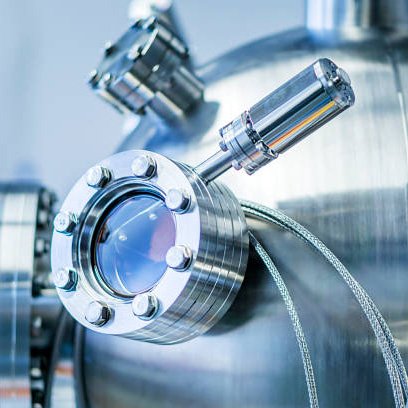
Flanges and Fittings play crucial roles in the construction and operation of vacuum systems. They provide means for connecting different components, chambers, and instruments within the vacuum system while maintaining a high vacuum or ultra-high vacuum environment.
Some details about fittings and flanges commonly used in vacuum systems:
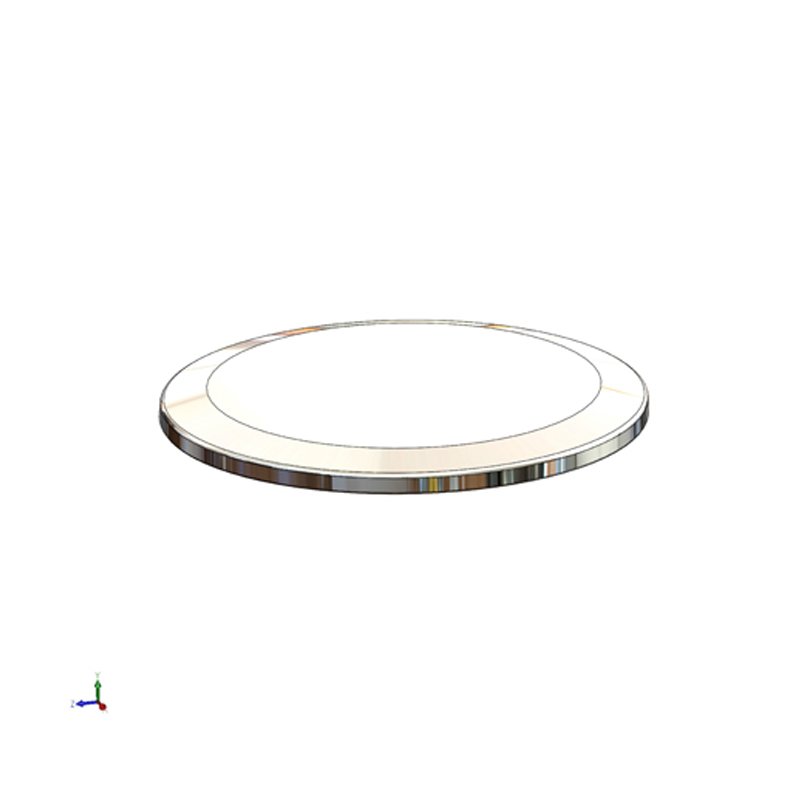
- Flanges: Flanges are flat, typically circular plates with bolt holes around the perimeter. They are used to connect vacuum chambers, components, and instruments together. Flanges come in various sizes, shapes, and materials to accommodate different vacuum system requirements. Common materials for flanges include stainless steel, aluminum, and glass.
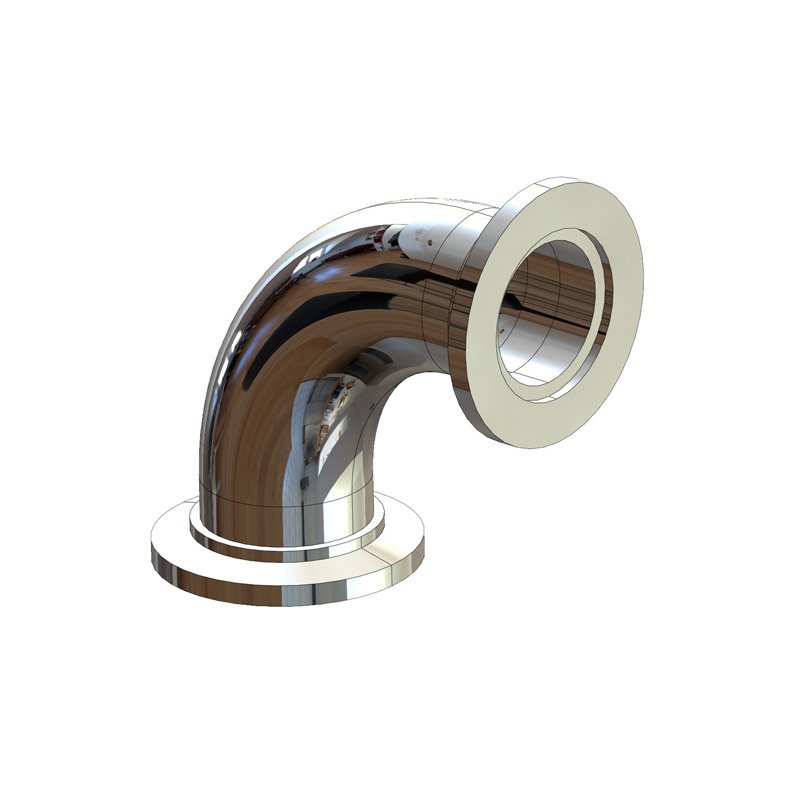
- Fittings: Fittings are components used to connect different vacuum system elements such as vacuum pumps, gauges, valves, and chambers. They come in various shapes and sizes to accommodate different vacuum system configurations. Common types of fittings include elbows, tees, crosses, reducers, and adapters.
Glove Box
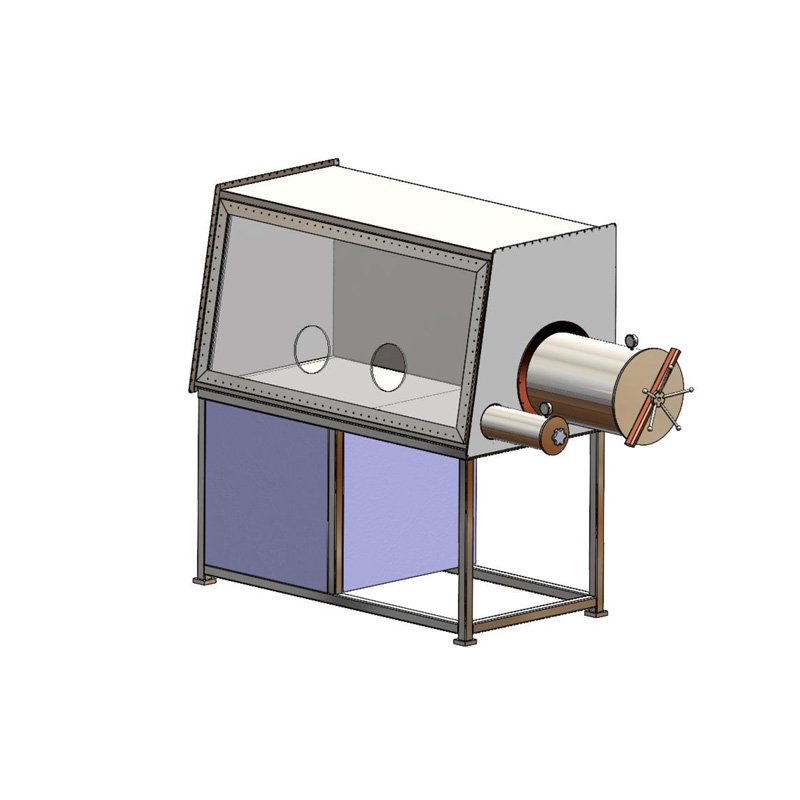
A glove box is a sealed container with built-in gloves that allows users to handle objects in a controlled environment. These boxes are typically used in laboratories, cleanrooms, and manufacturing facilities where it's necessary to manipulate objects in a controlled atmosphere, such as under inert gas or in a low-humidity environment.
Regular maintenance and inspection of the glove box, including checking for leaks and ensuring the integrity of gloves and seals, are also important for safe operation.

Vacuum Pumps
1. Rotary Vane Vacuum Pumps
Rotary vane vacuum pumps are designed for a variety of applications requiring robust and reliable performance. These pumps are ideal for laboratory use, industrial processes, and more.
2. Scroll Vacuum Pumps
Our scroll vacuum pumps offer oil-free operation and high efficiency, making them suitable for cleanroom environments, semiconductor manufacturing, and other sensitive applications.
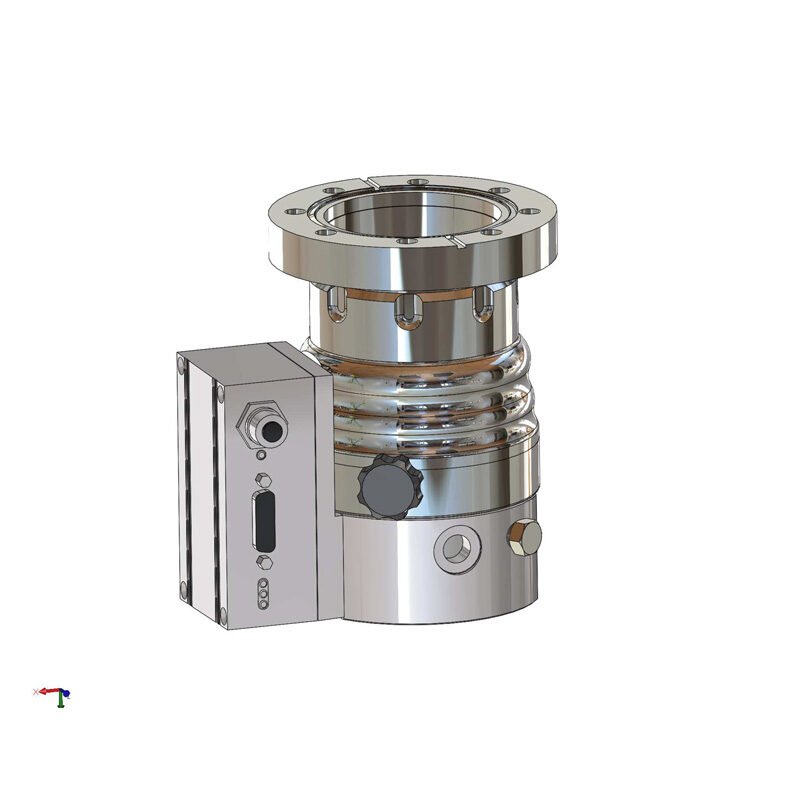
3. Turbo Molecular Vacuum Pumps
Turbo molecular vacuum pumps provide ultra-high vacuum levels essential for advanced scientific research, thin-film deposition, and high-tech manufacturing.
4. Diaphragm Vacuum Pumps
Our diaphragm vacuum pumps are ideal for applications requiring chemical resistance and oil-free operation, such as in laboratories and chemical processing.
Vacuum Valves
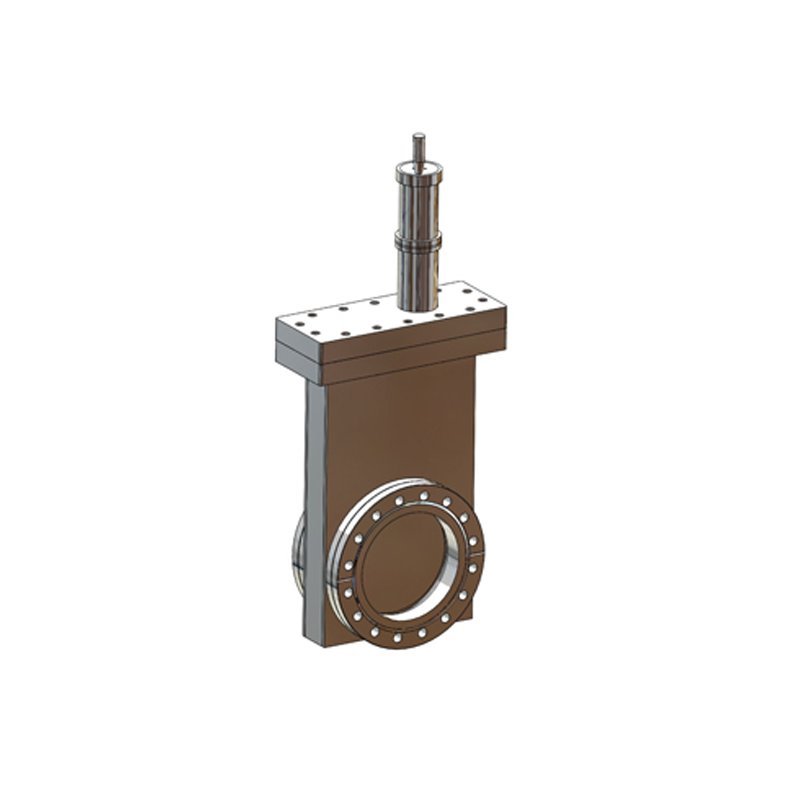
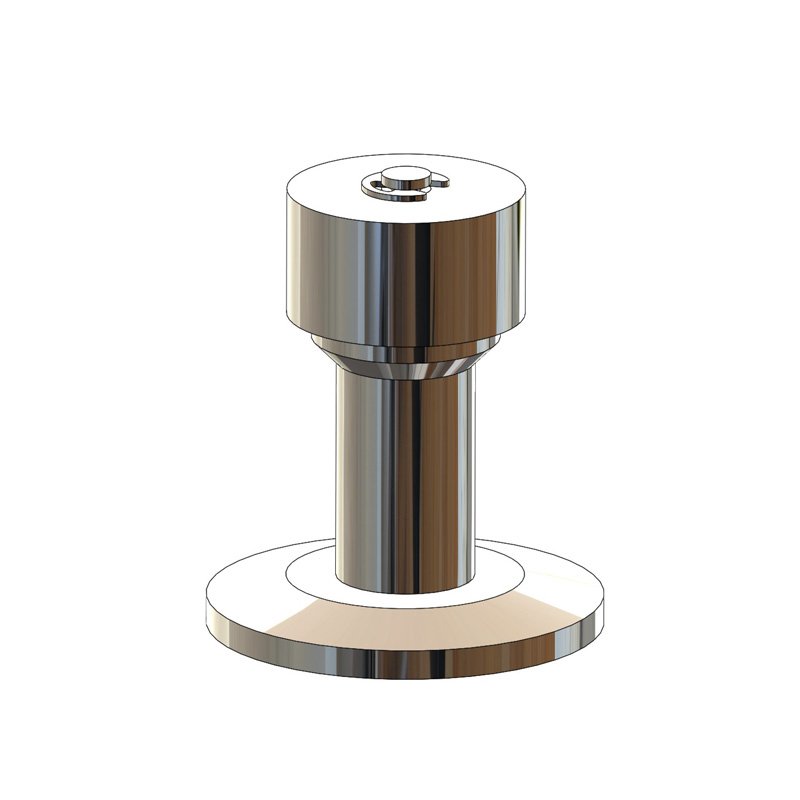
Vacuum valves are essential components in systems that require the control and regulation of vacuum pressure. They are used in a variety of applications, including laboratory research, industrial processes, semiconductor manufacturing, and vacuum packaging.
Selection Criteria
When selecting a vacuum valve, consider the following criteria:
- 1. Vacuum Level: Ensure the valve can operate effectively at the desired vacuum pressure.
- 2. Flow Rate: Choose a valve that can handle the required flow rate.
- 3. Material Compatibility: Ensure the valve materials are compatible with the process gases or liquids.
- 4. Temperature Range: Select a valve that can withstand the operating temperature conditions.
- 5. Actuation Method: Decide between manual, pneumatic, or electric actuation based on the application needs.